


two cups in one
Lid off, it is an open cup for supervised practice at the table. Lid on, the soft straw takes over for everyday drinking. One purchase covers both skills.
Free US shipping on orders over $49
$6.99 flat rate under that
30 day returns on orders from this site
 ShopCart
$19.99Regular price $20.99save 5%9 oz (270 ml)
size9 oz
A straw cup for milk, water or smoothies, sized for toddlers 12 months and up: this 9oz silicone training cup has a soft silicone straw in its lid and a stable tapered base that fits most cup holders.
$29.01 away from free US shipping
The Olababy 9oz training cup holds 9 oz (270 ml) under a lid with a soft silicone straw, and keeps the stable tapered base of the 5oz training cup. Lift the lid off and it becomes an open cup.
Keep the lid on for the car and longer outings, where 9 oz means one fill instead of two. Lift it off at the table for open-cup practice. It is the next size up from the 5oz training cup, for a toddler who empties the smaller cup in one sitting.
what it does
Lid off, it is an open cup for supervised practice at the table. Lid on, the soft straw takes over for everyday drinking. One purchase covers both skills.

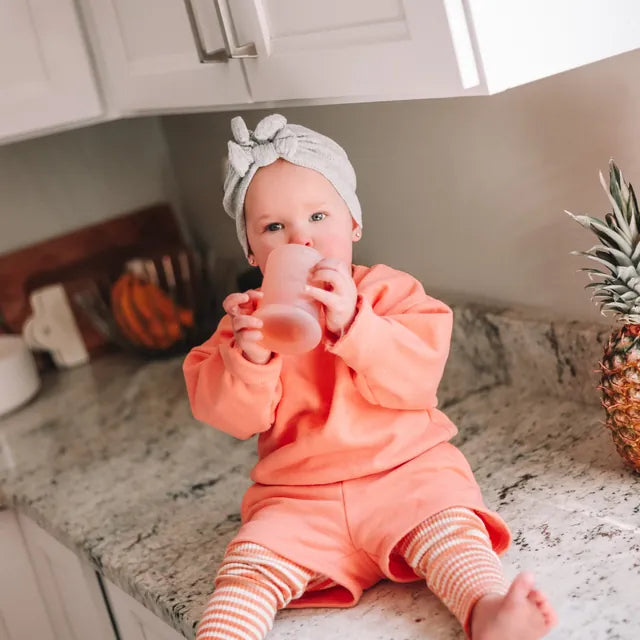
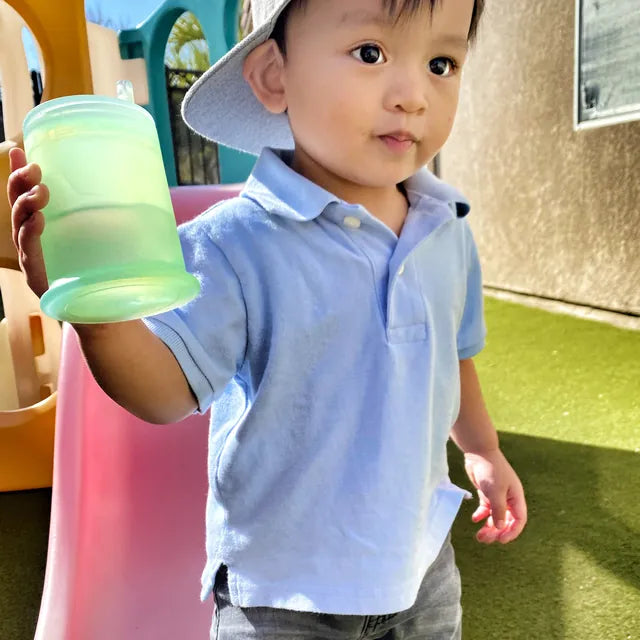
The silicone wall is translucent, so a glance tells you how much is left and how much went down.

The stable tapered base carries straight over from the 5 oz cup, and this size fits most cup holders.

The soft silicone straw is gentle on new teeth and has no valve to suck against, which is the point: the skill a straw cup should build is the skill a valve works against.
A soft, short straw with manageable flow supports the straw-drinking pattern we build in therapy, and the removable lid keeps open-cup practice on the table.
Ages it is made for
Yes. The Olababy 9oz training cup is made for water, milk or smoothies, and at 9 oz (270 ml) a toddler's drink fits in one fill. The lid and straw come off the cup, and the lid, straw and cup all wash on the upper dishwasher rack after a milk day.
Yes. The Olababy 9oz training cup has a stable tapered base that fits most car cup holders, and the cup measures 2.83" across and 5.72" tall. Keep the lid and straw on for the drive, then lift the lid off at home when your toddler practices open-cup drinking at the table.
1 training cup (9 oz) with lid and straw.
Dishwasher safe (top rack).
Rinse the straw through under running water.
The lid and the straw are separate, replaceable parts. Replacement straws fit this cup.
Free US shipping over $49, $6.99 under it. Orders ship the next business day.
Returns and exchanges run for 30 days from purchase, by mail, in three steps.
A product bought from a retail partner is returned or exchanged through that retailer.
This size is for 12 months and up. Pediatric feeding specialists encourage supervised open-cup and straw practice from around 6 months, ahead of weaning off the bottle by 12 to 18 months. Take the lid off for supervised open cup practice, snap it on for straw drinking.
1 x 9oz training cup with lid + straw.
No, and that is on purpose. It is not a spouted sippy cup: lid off, it is an open training cup with a stable tapered base that resists tipping, because supervised open-cup practice builds real drinking skills. Lid on, the soft straw takes over for everyday drinking.
Dishwasher safe, top rack. The lid and the straw lift off, so every surface gets to the water; rinse the straw through under running water. The silicone can also be sterilized in boiling water or a steam sterilizer. Air-dry fully before storing.
It is 100% high-purity food-grade silicone, free of BPA, PVC, lead and phthalates, and soft on developing gums and teeth. The wall is translucent, so you can see how much went down. Designed in Portland, Oregon.
It keeps the soft silicone straw and the stable tapered base of the 5 oz and adds capacity: 9 oz (270 ml) for water, milk or smoothies. It also fits most cup holders. Switch sizes in the picker above.
It holds 9 oz (270 ml). It measures 2.83" dia x 5.72"H (72 x 145.2 mm). It weighs 5.15 oz (146 g).
The straws are soft food-grade silicone: chew-friendly and gentle on gums and new teeth. Replacement straws are available separately.
Yes. Olababy feeding products are made from 100% high-purity food-grade silicone with no fillers, free of BPA, PVC, lead, and phthalates, and tested to FDA food-contact standards.
Returns are accepted within 30 days of delivery (see our return policy for details). US shipping is free on orders over $49.
Olababy.us is the official store and the only place with the complete lineup: every product, every colorway, replacement parts, and bundle pricing. Orders over $49 ship free in the US, returns are accepted for 30 days, and support comes directly from the Olababy team.
Designed in Portland, Oregon since 2015, with real parent input.
the material

Hold this cup up to a window. Light passes straight through 100% food-grade silicone, and the wall stays translucent on purpose: your baby watches the liquid move, you see how much went down. Every part that touches your baby is that same gum-soft, food-grade silicone.
Every feeding product is one material, food-grade silicone, soft enough for gums that are still teething and inert enough to go through a dishwasher for years. The panel above names what is in it and what is kept out of it.
Olababy has designed in Portland, Oregon since 2015, with parents testing the things their own children eat from.
from real kitchens
| 5 star | 2 | |
|---|---|---|
| 4 star | 0 | |
| 3 star | 0 | |
| 2 star | 0 | |
| 1 star | 0 |
Rated 5 out of 5Finally something baby will drink milk out of
What a great design! I love that it had the amount on a side and it was so easy to clean and put together
Richard
Rated 5 out of 5Verified buyerExcellent
The cups, both with and without straws fit the hands of our 13 m.o. perfectly. He loves to use them both! He's now on track to make the transition and the maintenance is absolutely hassle-fee.
Chris Sullivan
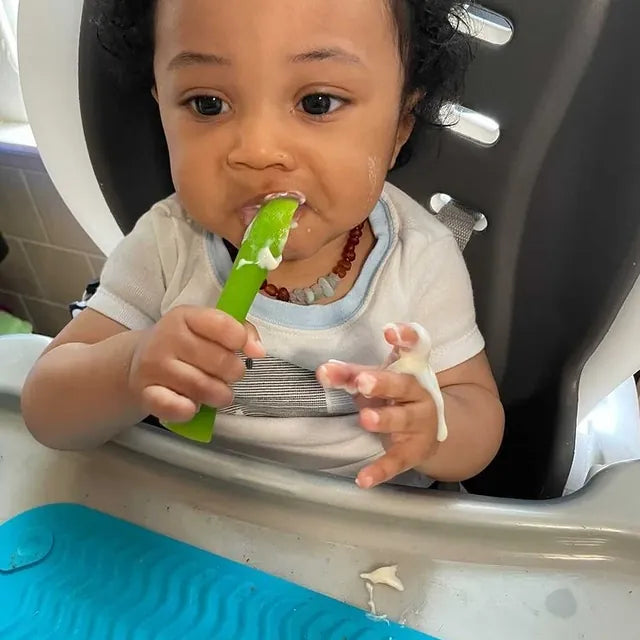
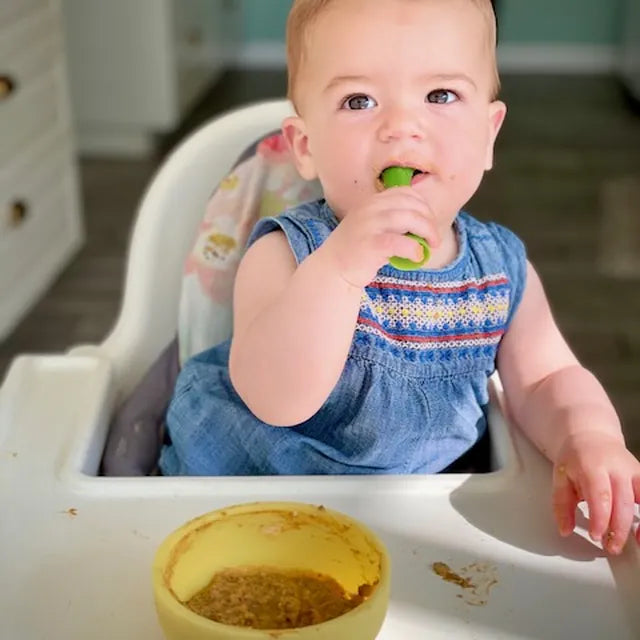
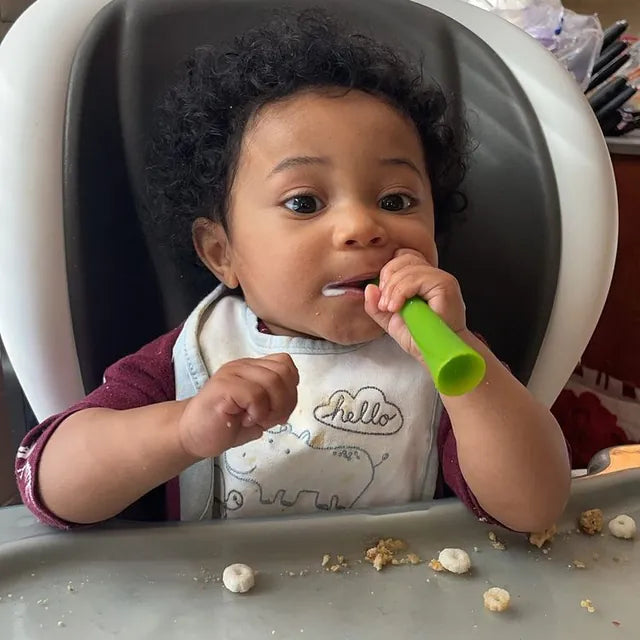
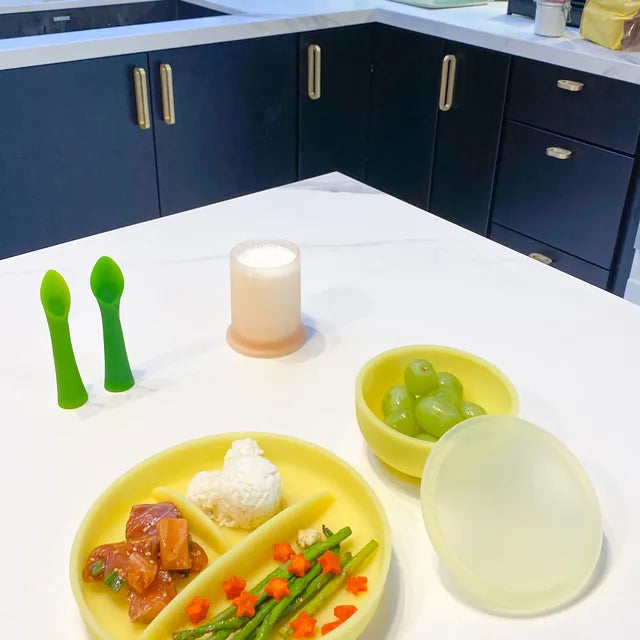
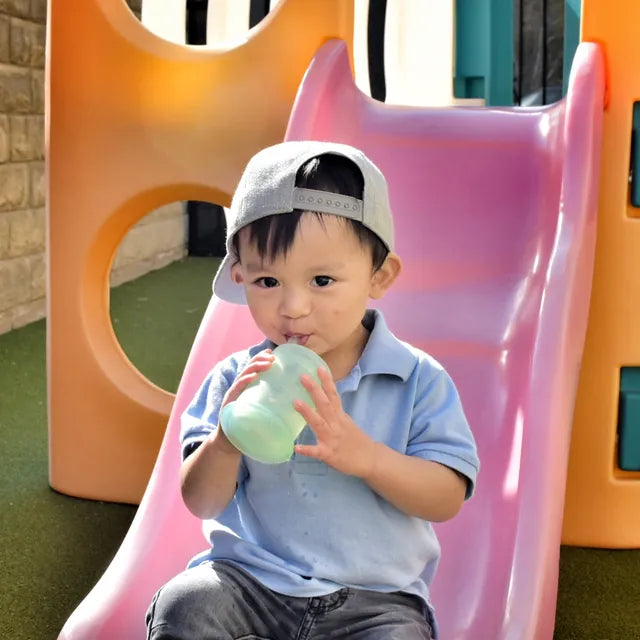
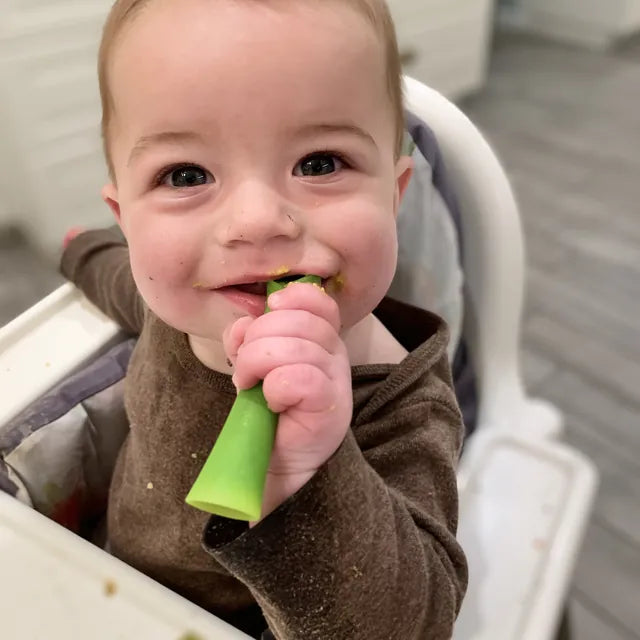
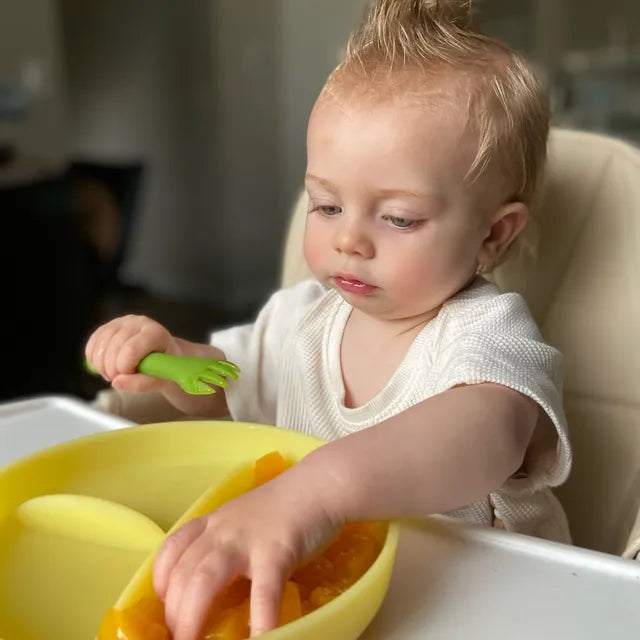
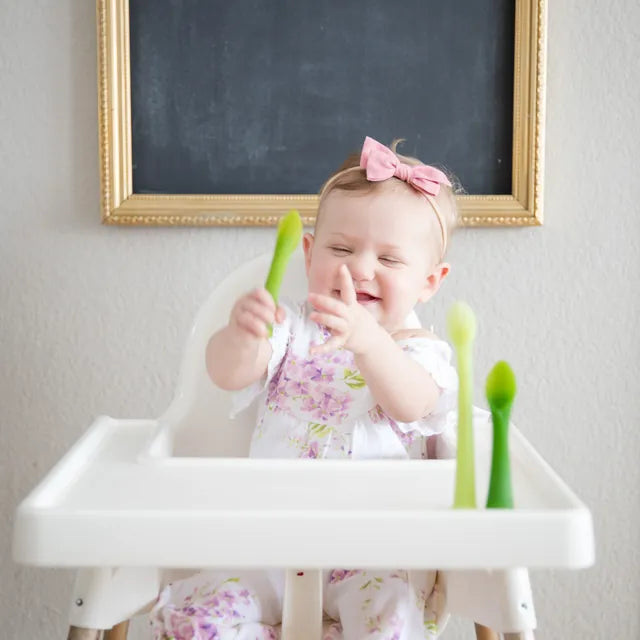
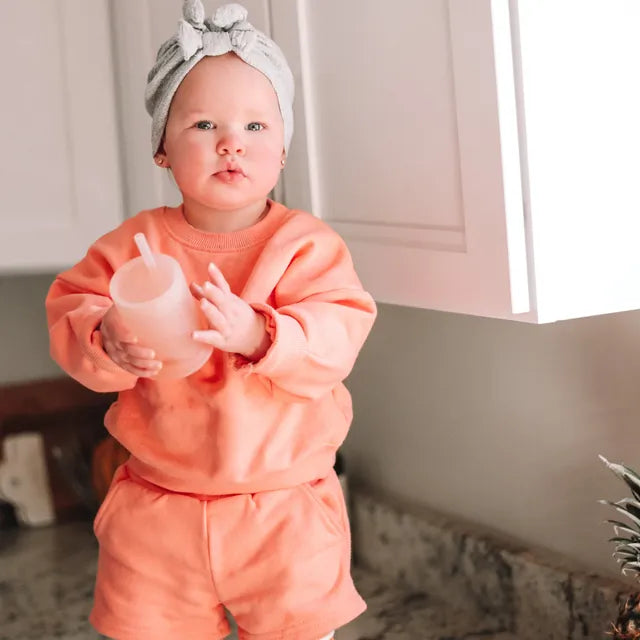
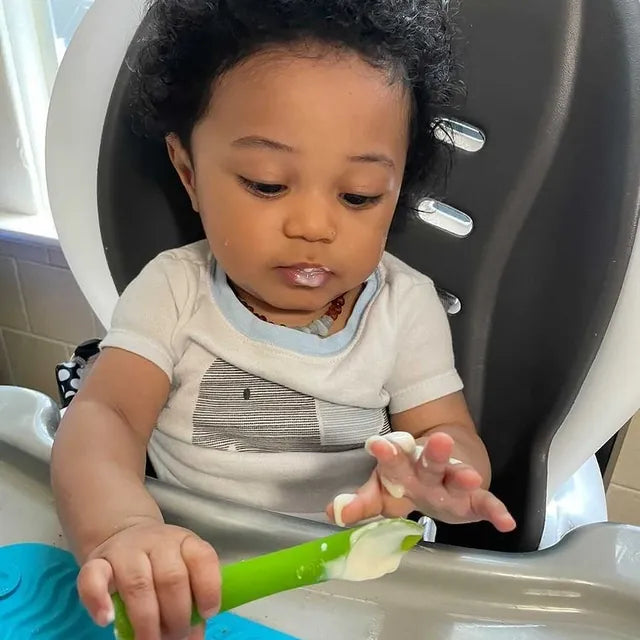
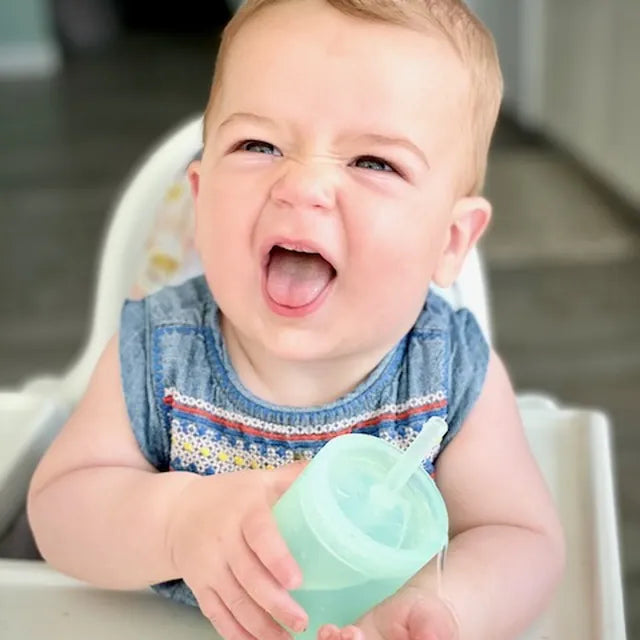
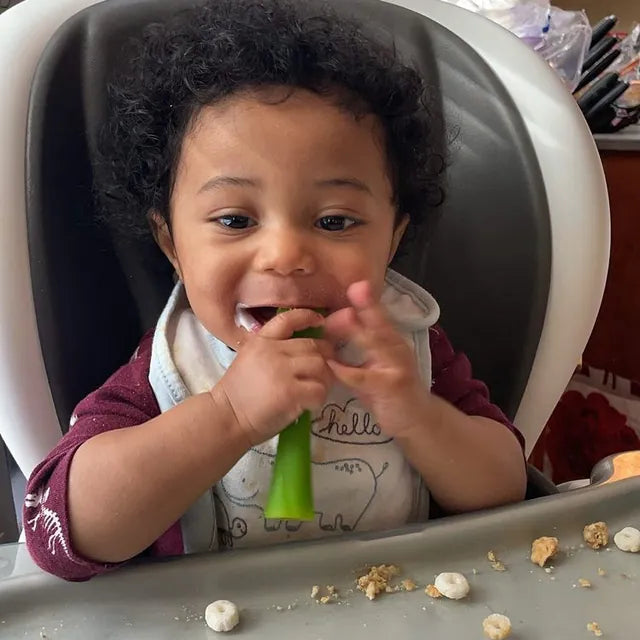
on camera
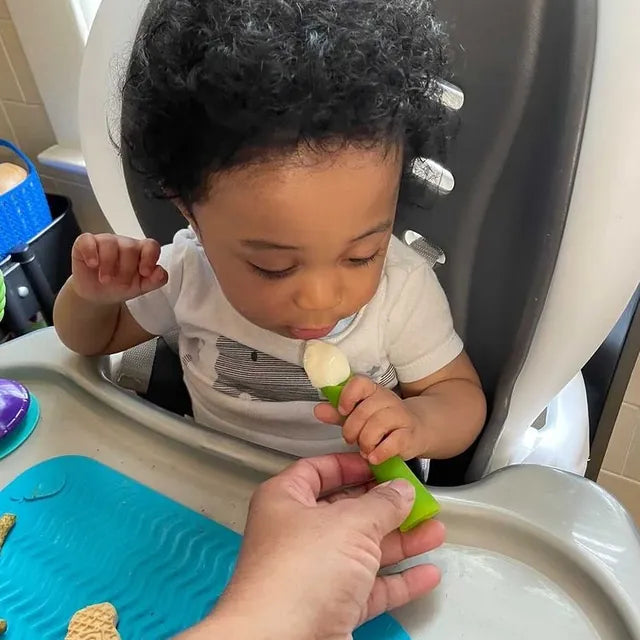
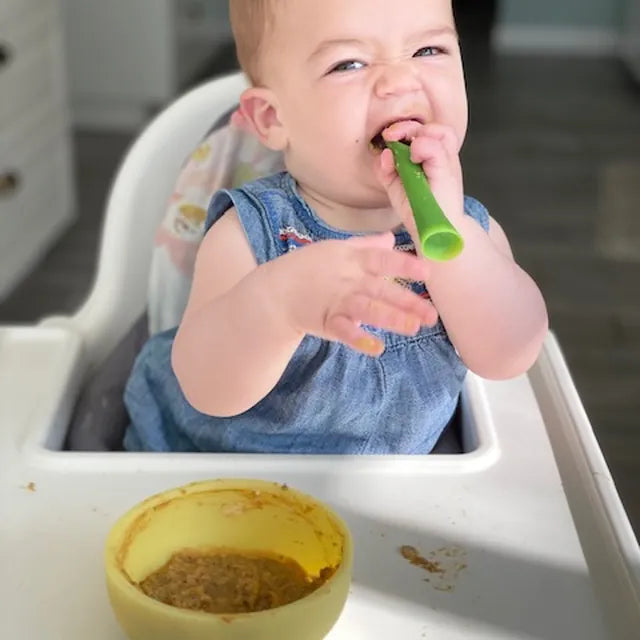
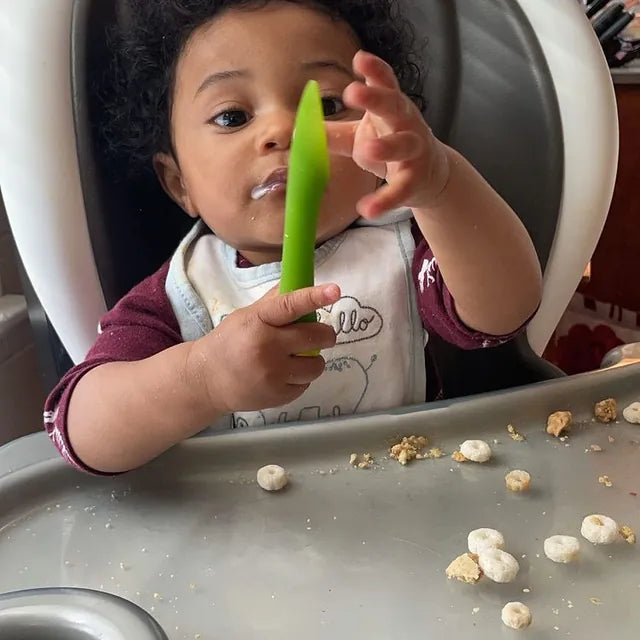
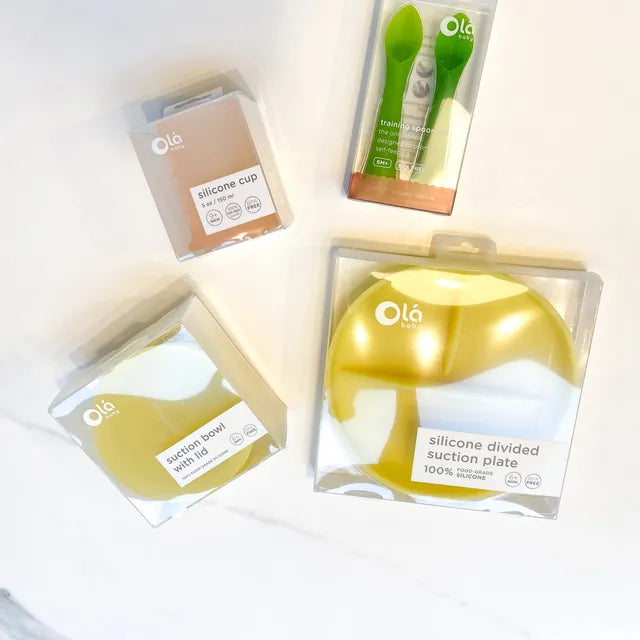
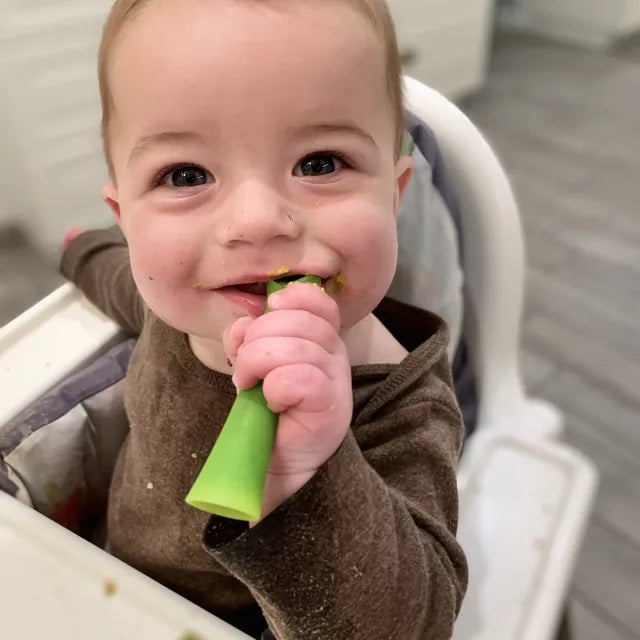
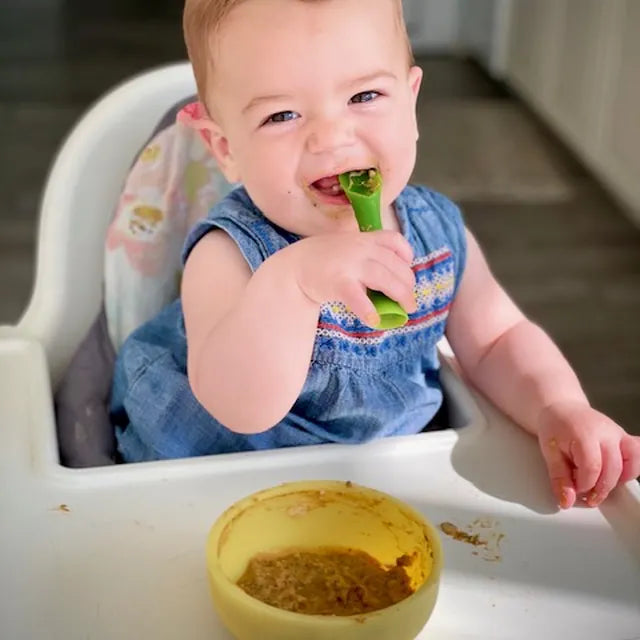
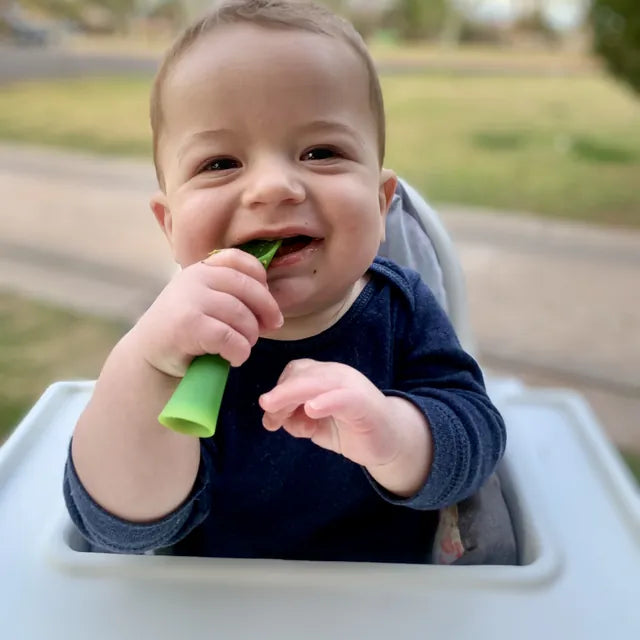
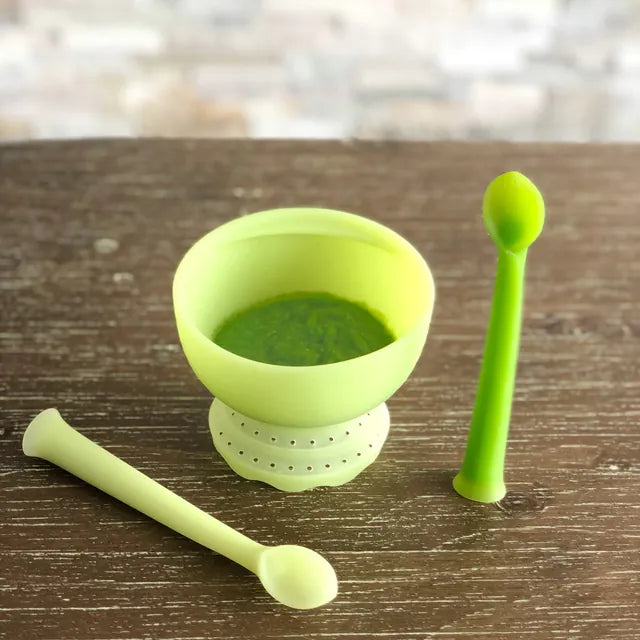
Our products are loved from moms to feeding specialists.
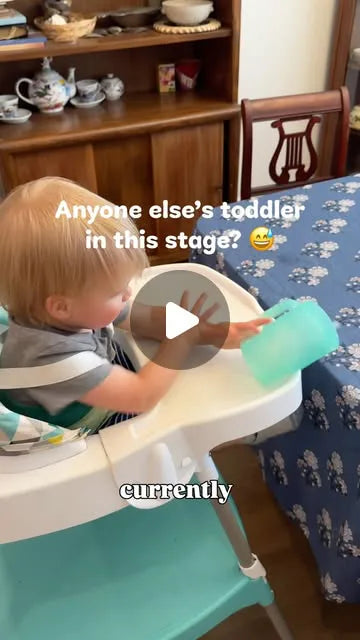
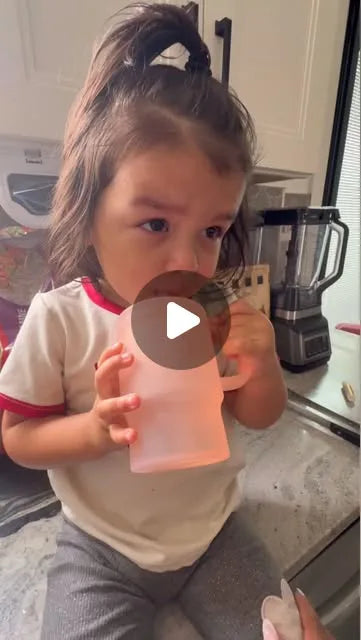
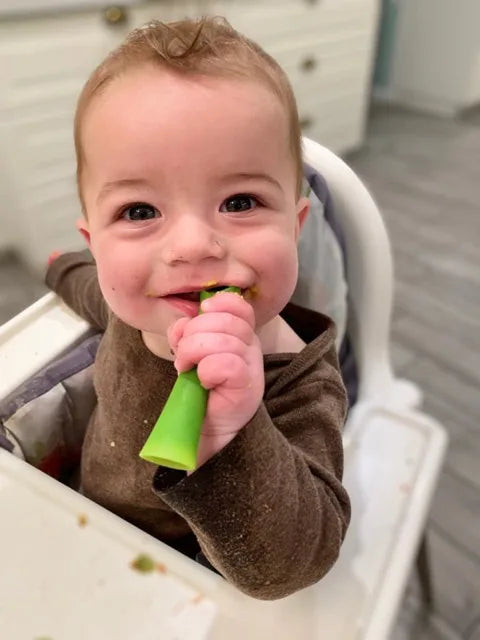
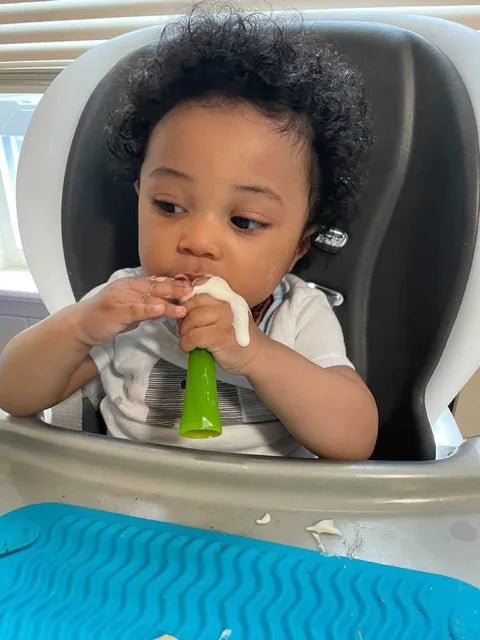
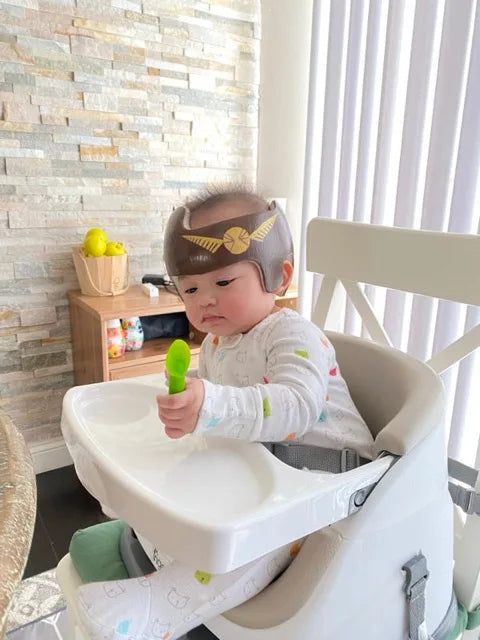
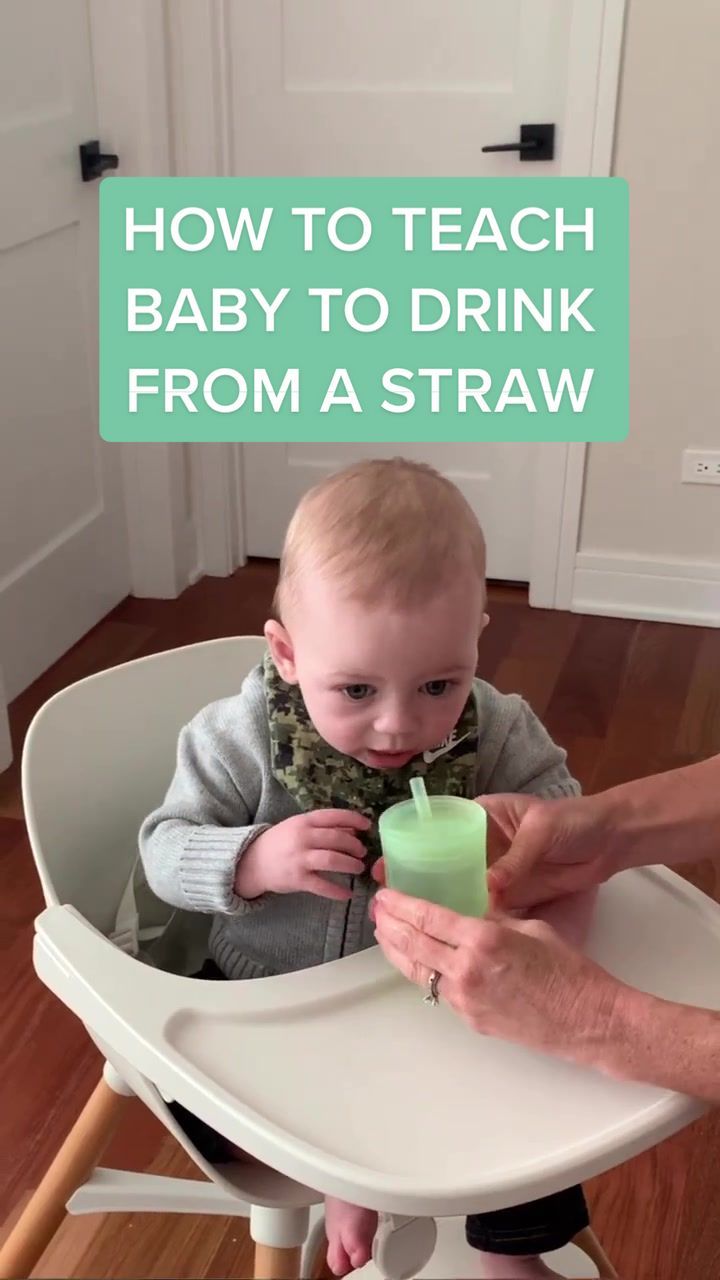 TikTok@chikidsfeedingCatherine, MS, CCC-SLP, CLCHow to teach your baby to drink from a straw. This @olababyusa is my go-to! Comment below for a discount code 🥳 #sponsored #babytips #momhacks #babylife #learnontiktokWatch on TikTok
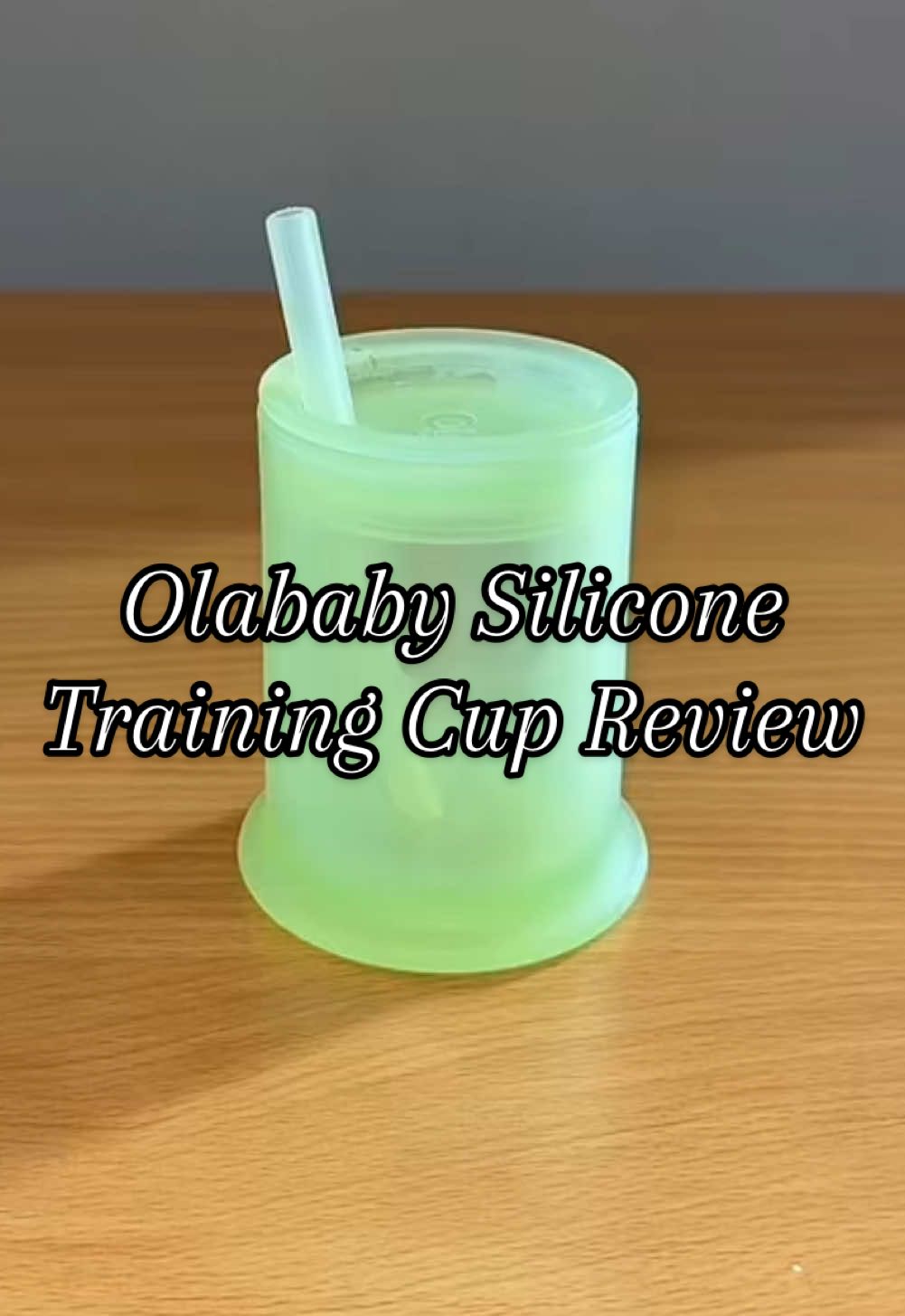 TikTok@christina.santiagoChristina | Mom Finds ✨Replying to @Christina Santiago the @Olababy silicone training cup is the first cup we used for my son! I really like this one & think it is a great starter cup for toddlers starting solids! 🔗 in my storefront! #toddlercup #toddlercupswithstraw #olababy #olababyusa #toddlercups #toddlermusthaves #review #toddlercupreview #momsoftiktok Watch on TikTok
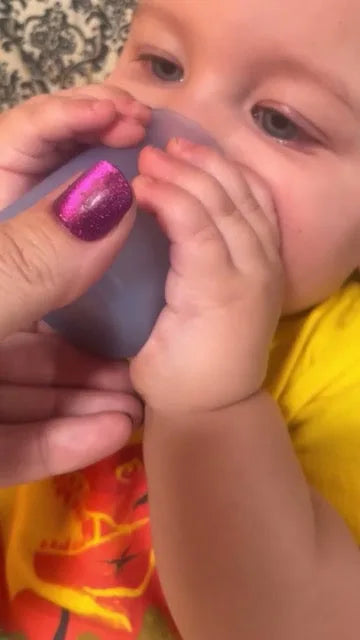
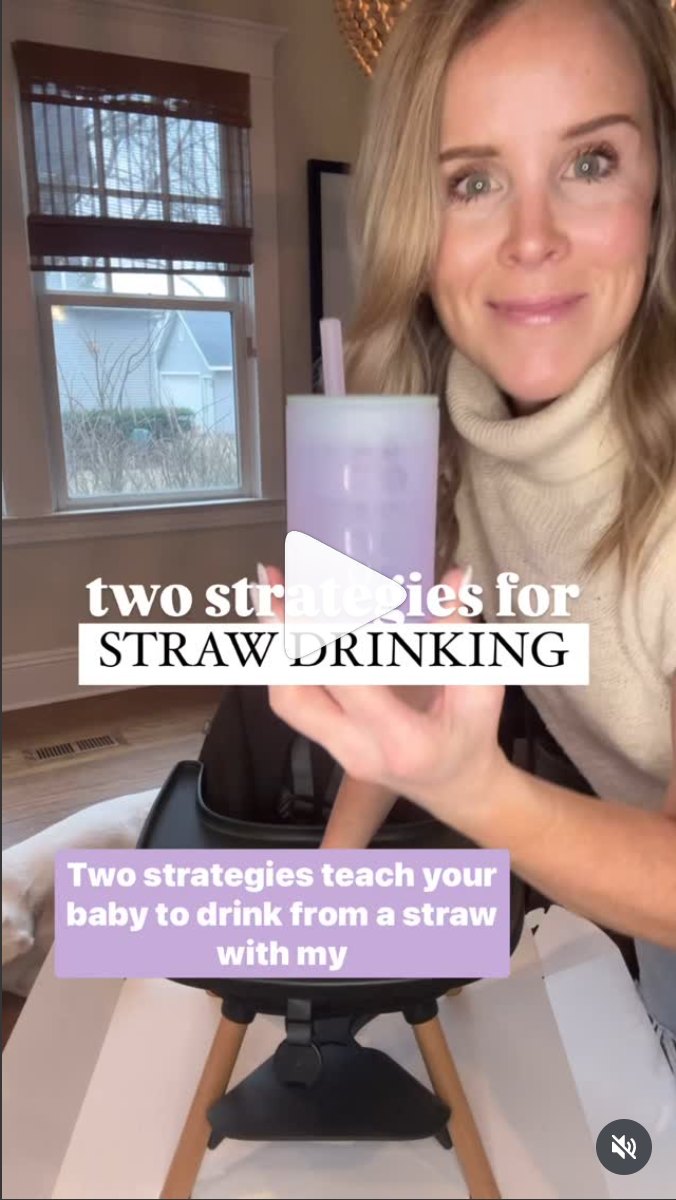 Instagram@chikidsfeedingCatherine, MS, CCC-SLP, CLCToday, two strategies to teach your BABY to drink from a STRAW! 💫 Comment STRAW for a direct link to this awesome cup! 💫 1️⃣ Squeeze Method 2️⃣ Pipette Method Watch to learn!!Watch on Instagram






about the brand
published guidance
General information, not medical advice. For guidance specific to your baby, talk with your pediatrician.
The American Academy of Pediatrics says babies are usually ready to start solid foods at around 6 months, and that some infants may be ready as early as 4 months. It adds that each child's readiness depends on their own rate of development.
American Academy of PediatricsBaby-Led Weaning: Is It Safe?, HealthyChildren.org
Rubber articles intended for repeated use in contact with aqueous food shall meet the following specifications: The food-contact surface of the rubber article in the finished form in which it is to contact food, when extracted with distilled water at reflux temperature, shall yield total extractives not to exceed 20 milligrams per square inch during the first 7 hours of extraction, nor to exceed 1 milligram per square inch during the succeeding 2 hours of extraction.
US Food and Drug Administration21 CFR 177.2600, Rubber articles intended for repeated use, paragraph (e)
The American Academy of Pediatrics describes sippy cups as a stage children pass through while they are learning, and says it is healthiest for a child to be drinking from an open cup by around 2 years of age.
American Academy of PediatricsDiscontinuing the Bottle, HealthyChildren.org
Leslie Schilling, a registered dietitian nutritionist and co-author of a book on baby led weaning, writes in Today's Dietitian that self feeding is a natural first step that can build feeding confidence and oral skills, and can help prevent overfeeding.
Today's DietitianChildren's Nutrition: Embracing Baby-Led Weaning
Laura Lucas, a senior clinical dietitian at Texas Children's Hospital, says one of the main benefits of baby led weaning is that it helps babies learn to recognise their own satiety levels, and that with proper handling and supervision it is safe for most babies who are developmentally ready.
Texas Children's HospitalBaby-Led Weaning: What Parents Need to Know
Kimberly Churbock, a physician writing for Cleveland Clinic, describes a baby picking up a piece of food, bringing it to their mouth, manipulating it, chewing and swallowing, and notes that all of those actions require fine motor skills and oral motor skills.
Cleveland ClinicBaby-Led Weaning: What It Is and How To Do It Safely
Amy Klein, an occupational therapist at Cincinnati Children's, writes that for a baby who is not sure about a new taste or texture, self feeding gives them control to manipulate it in their mouth and swallow it or not, and that it also aids hand eye coordination.
Cincinnati Children's Hospital Medical CenterBaby-Led Weaning: Pros, Cons and Considering a Moderate Approach


